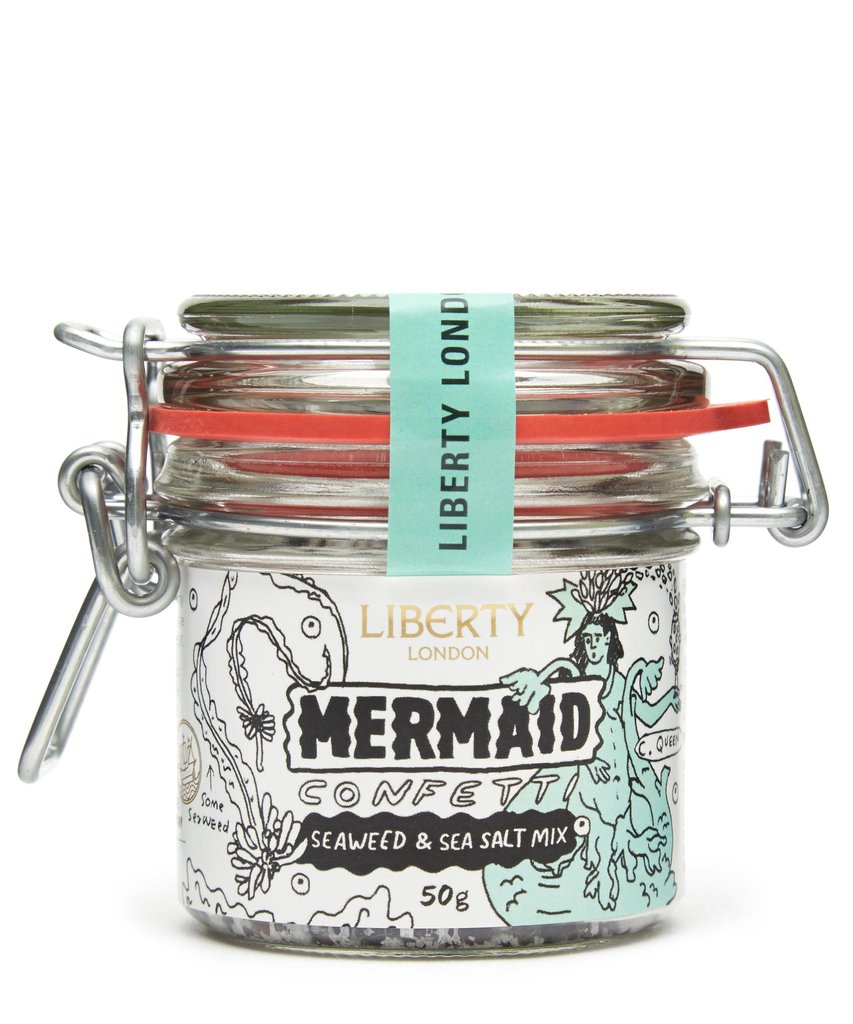
Condiments can help elevate any meal, or simply add a little bit of something to bring your food over the edge. Throughout the years we’ve seen some awesome packaging designs from within this market, especially considering there are so many products to choose from. Here we’ve picked out 35 awesome examples of condiment packaging designs to help you dig into your next meal.
Thursday, March 1, 2018
Have You Noticed This New Feminine Brand at Target?
COLLINS teamed up with Target in order to completely reinvent one of their popular sub-brands, Merona. The result is a clean and feminine branding and packaging solution for “A New Day.”
Challenge
Target is introducing twelve new original brands over the next two years in a bid to create real, covetable brands rather than labels that simply span a wide range of products. COLLINS was asked to help build one of the first of these new brands to be introduced—a women’s ready-to-wear range that delivers on-trend, but versatile pieces to punch up guests’ everyday style. This new brand will be replacing a Target staple, Merona.
Solution
We helped name this new apparel page turner “A New Day” — personifying the idea that Target guests view every day as a new chapter in their life—a new chance to write their own story. The acronym A.N.D. is also leveraged as secondary naming approach to emphasize that the clothing line is made to be combined with and punctuate each guests own, unique style story.
An instant best seller, A New Day is making headlines in Refinery 29, Glamour and InStyle magazines affirming that this affordable, gender inclusive line will continue Target’s mission, as Refinery 29 says, “to make your heart skip a beat and fork over your cash.”
Agency: COLLINS
Art Directors: Nicholas Rezabek, Brian Collins
Designers: Megan Bowker, Flora Chan, Esther Li
Client: Target
Creative Team: Catherine Dailey, Bryna Keenaghan, Antonia Lazar, Jessica Lau, Michelle Fonseca, Teemu Suviala, Target Creative
Location: New York City, New York
Introducing rOcean, the World's First Personalized Water Ecosystem
By: Casha Doemland
Sunjay and Mohini Boparai Guleria, a husband and wife duo, are transforming the sustainable water game with a compact, chic countertop device.
The inspiration?
Their son. Worried about the type of world he would one day inherit, more specifically the oceans pollution, they sought a smarter way for people to have the convenience of pre-filled plastics bottles without the waste.
rOcean, the world’s first personalized water ecosystem, offers the most advanced water filtration, carbonation and flavors straight from your tap. The device comes with customizable magnetic faceplates, making the device versatile enough to fit the aesthetic of any and every kitchen, and fits right on your counter.
With a filtration system performing 15 times better than typical industry pitcher filters, rOcean removes lead, asbestos, cysts, chlorine, mercury and 70 other contaminants for clean water in seconds!
If you prefer a little bit of carbonation or flavor in your quality H2O, it’s as simple as the push of a button. Both can be personalized and saved to the rOcean app, providing you with the perfect refreshment each and every time.
The magic doesn’t stop there though. rOcean’s personalized bottles come equipped with an RFID tag. Simply place your bottle beneath the machine and watch it fill automatically with whatever was last in it.
To add to the convenience, the app has smart alerts that let you know when filters need to be changed or CO2 needs to be refilled – all of which can be ordered directly from the app and shipped to your door before you run out. It even tells you how much money and plastic you are saving, so feel free to give yourself a pat on the back everytime you make a drink.
Now, the part that takes it a step up from PepsiCo’s recently launched Drinkfinity? Recyclable refill pouches. For $15 a pouch, you can flavor 60 liters of water from subtle hints of fruit to healthier takes on sodas and vitamin enhancements. These patent-pending pouches are dishwasher safe and leave you without the guilt of single-use throwaway pods.
So, what’s the catch?
rOcean is not available until December 2018. While backed by some of the industry’s top investors, the startup company took to crowdfunding to provide special perks (mad discounts) to its early supporters. Once the goal is met, it’s off to the manufactures and eventually, your doorstep.
With all that being said, rOcean is basically offering you a way to save the ocean, your money and your time. Are you game?
Casha Doemland
LA-based and Georgia-bred, Casha Doemland spends her days crafting poetry and freelance writing. Over the last two years, she’s been published in a variety of publications and zines around the world. When she’s not nerding out with words, you can catch her watching a classic film, trekking around the globe or hanging out with a four-pound Pomeranian.
Dracula Doesn't Stand a Chance With This Beer By Your Side
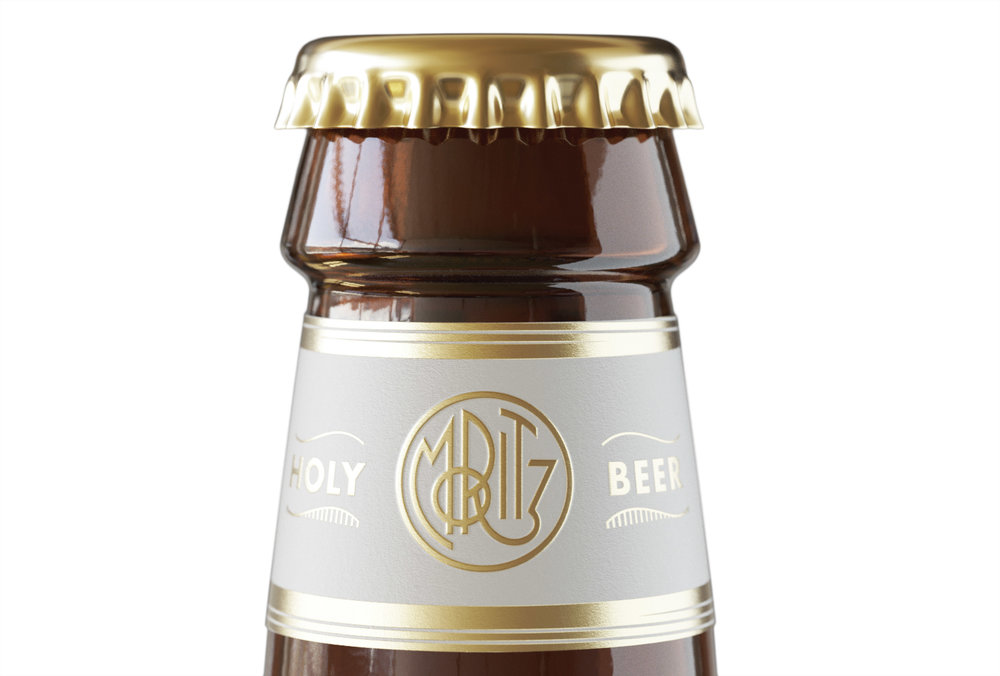
Conspiracy Studio, Erquest Torres and Edu Torres teamed up to create the wonderful 3D-inspired packaging for Holy Beer. The concept behind the beer is that it can be used to keep away evil creatures of the night, making for a great story that goes with the package.
“The Fantastic Film Festival of Sitges celebrates its 50th anniversary by paying homage to Count Dracula. Thinking about the festival attendees, and more specifically to protect them from the bites of the fearsome vampire, we created a unique and infallible remedy, the Moritz Holy Beer. A beer with a miraculous formula that protects the assistants of Count Dracula and other Luciferian creatures of the night.”
Designed By: Conspiracy Studio, Erquest Torres and Edu Torres
Location: Barcelona, Spain
Can We Battle Childhood Obesity with New Packaging and Branding Regulations?
By: Theresa Christine
It would be quite a task to write the entire list of mascots and cartoon characters which appear on food packaging and in advertisements. There’s Tony the Tiger, Ronald McDonald, and the Kool-Aid Man, just to name a few. These beloved, jolly personalities grace the packaging and ads of companies, becoming an integral part of their brand experience.
This, by itself, isn’t necessarily an issue; after all, it’s what branding is about. But when you consider the fact that over 23.5 million U.S. children and adolescents—which is nearly a third of young people—are either overweight or obese, it begs the question: why do we allow brands to market junk food, fast food, and sugary beverages to kids?
In the United States, obesity rates in children have more than tripled since the 1970s. There are many different factors that affect healthy eating, like geographic location, race, and income—but when the latest saccharine-soaked goodie hits the market, design and branding also plays a part. Brands know this, otherwise, they wouldn’t spend about $17 billion annually marketing to children.
“There’s no moral, ethical, or social justification for marketing any product to children,“ explained Susan Linn, director of the Campaign for a Commercial-Free Childhood to The Guardian. “We want children to develop a healthy relationship to nutrition and to the foods that they consume. Advertising trains kids to choose foods based on celebrity, not based on what’s on the package. It undermines critical thinking and promotes impulse buying.”
There are many countries leading the way and offering solutions to the issue of marketing towards children. France, Canada, Taiwan, and a handful of other spots have enacted certain laws, like limiting toy giveaways in fast food or packaging requirements to highlight the poor nutritional value of unhealthy foods.
Chile recently put laws in place to fight their war on obesity, which The New York Times reports is “the world’s most ambitious attempt to remake a country’s food culture.” They banned the sale of candies which use toys to attract younger consumers as well as product advertisements during kids’ television shows. Next year, these ads will disappear completely from TV, radio stations, and movie theaters between the hours of 6 a.m. and 10 p.m. The law also prohibits junk food being sold at Chilean schools, and the country has the highest soda tax, clocking in at eighteen percent.
And that’s not all—Chile established a new labeling system which requires black warning logos in the shape of a stop sign for any foods high in sugar, salt, calories, or saturated fat.
It might seem extreme, but the global obesity epidemic contributes to four million premature deaths a year, not to mention all the issues that come along with it, such as sleep apnea, asthma, or heart disease. Perhaps this is just what Chile needs. Perhaps this is just what the world needs.
While designers won’t have any of those packaging requirements to consider with food, snacks, and beverages designed for American kids in the near future, it’s an interesting thought. Imagine walking down the cereal aisle without a single cartoon popping out at you. Think about picking up a jug of juice with a large stop sign printed on it. Picture an afternoon television show without the advertisements for kids we’ve become so accustomed to.
The message can be placed in a positive light, too. For example, French authorities require advertisements for foods containing added fats, sweeteners, or sodium be accompanied with a message to explain dietary principles, such as eating five fruits and vegetables each day. The American Heart Association also proposed that only good-for-you foods should market to kids, using branding and packaging to influence healthy decisions.
A change like this would certainly be a massive undertaking in the United States—one which still needs to take into account income and race so the solutions can be inclusive and make healthier eating more accessible.
Even after two years, it will still take a while to see changes in Chile’s obesity rate, and it will certainly take years for people to change their eating habits. “But by focusing on the packaging and advertising of unhealthy foods that appeal to children,” said Andrew Jacobs at The New York Times, “the Chilean government is hoping to reprogram the next generation of consumers.” So regardless of what the future might bring for food branding and packaging aimed at children in the United States, time is a key player in shaping the health and well-being of the next generation.
Theresa Christine
Theresa entered the world of design through The Dieline. With a background in writing and journalism, she has a passion for discovery and cultivating human connections. Her work for The Dieline is a constant journey to deeply understand all facets of the design process and to investigate what makes designers tick. Theresa’s writing has taken her snorkeling in between the tectonic plates in Iceland, horseback riding through a rural Brazilian town, and riding an octopus art car at Burning Man with Susan Sarandon as part of a funeral procession for Timothy Leary (long story). When not writing, she is planning her next trip or taking too many pictures of her cat.